


Berlin's Underground Creative Scene: Where Warehouse Clubs, LED Art, and Post-Industrial Freedom Collide

Berlin didn't become Europe's creative capital by accident. The city's underground scene—from marathon techno sessions to experimental art installations—exists because of something most European capitals lack: vast amounts of abandoned industrial space and a cultural tolerance for experimentation that borders on institutional. This isn't about "hidden gems" or "off the beaten path." It's about understanding why Berlin's creative infrastructure operates fundamentally differently than Paris, London, or Barcelona.
The Warehouse Club Ecosystem: Why Berlin's Parties Last Three Days
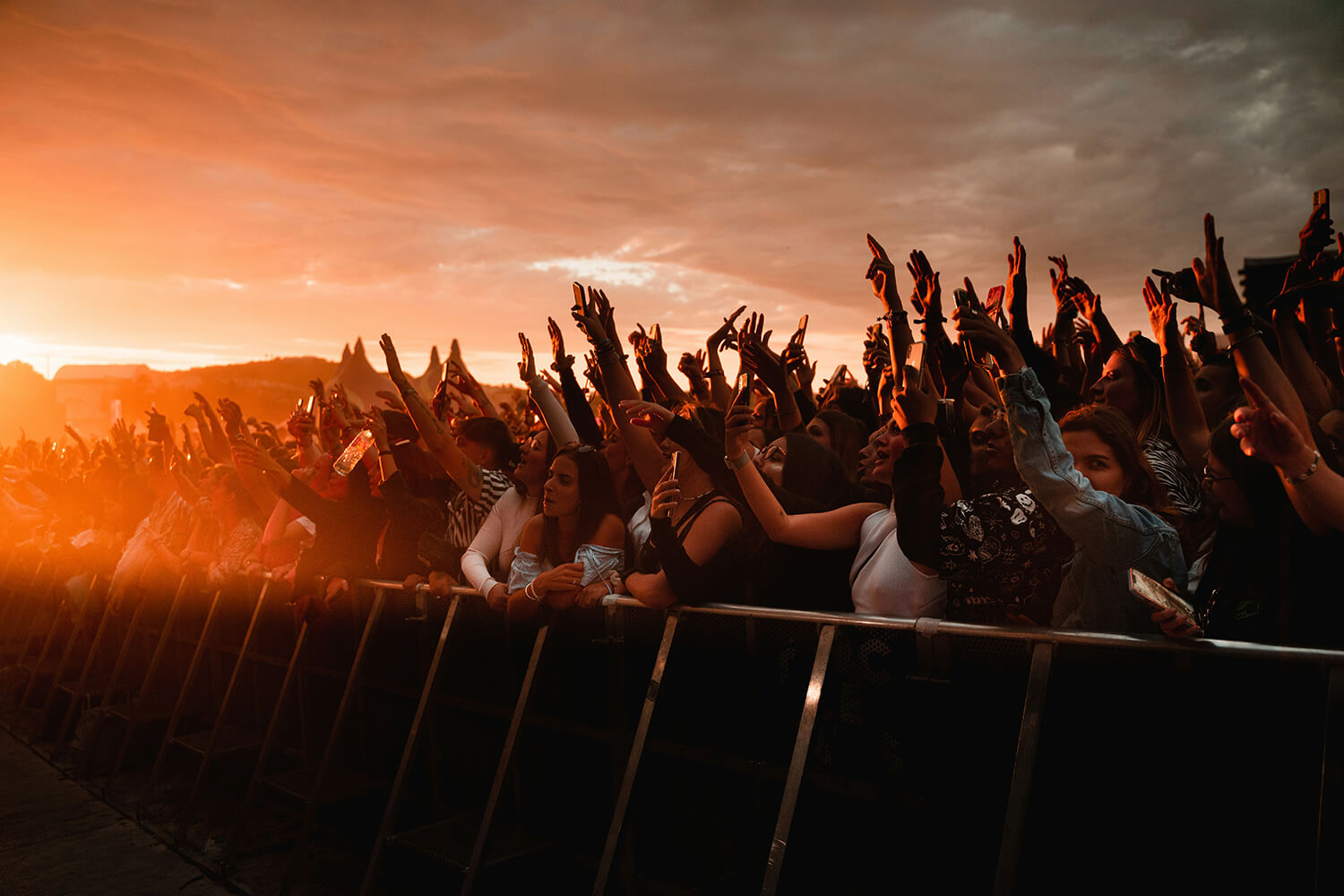
Sisyphos, a former dog biscuit factory in Lichtenberg that opened in 2008, operates on a model that would be impossible in most cities: parties run continuously from Friday night through Monday morning, with a 1,500-person capacity spread across multiple dance floors. But the warehouse conversion story isn't unique to Sisyphos. About Blank started as an illegal venue before officially opening in 2010 near Ostkreuz, championing a queer, anti-fascist collective approach to club management. Club der Visionaere, operating since 2002 on the Landwehrkanal, functions more as an intimate bar with a 50-person dance floor than a traditional club, closing completely in winter and opening spontaneously in summer.
What connects these spaces isn't just electronic music—it's the economic reality that Berlin's abundance of post-industrial buildings allows for experimentation that would cost millions elsewhere. Sisyphos parties typically close the door Saturday night and don't reopen until Monday, creating a temporal bubble where normal schedules cease to exist. This marathon format works because the infrastructure exists: massive buildings that can accommodate sound systems, outdoor areas, and the physical space for people to rest without leaving the venue.
LED Art as Institutional Critique
DARK MATTER, which opened in June 2021 in a former factory in Lichtenberg, presents expansive light installations by Christopher Bauder across 1,000 square meters. The main installation, GRID, employs 25,000 light sources and 2,000 speakers to create what amounts to a critique of traditional gallery spaces. The work only functions at this scale because Berlin offers industrial buildings at prices that would be prohibitive in cities with tighter real estate markets.
This connects directly to the club scene: both rely on Berlin's unique supply of warehouse space and relatively permissive attitudes toward experimental use. Similarly, the Boros Collection operates from a 1942 WWII bunker converted into a 3,000-square-meter contemporary art space that opened to the public in 2008, featuring international artists from the 1990s onward. Access is deliberately limited—guided tours must be booked weeks or months ahead—creating scarcity through institutional choice rather than market forces.
The Infrastructure of Freedom: Why Physical Space Matters
The common thread isn't aesthetic—it's spatial. Tempelhofer Feld, the former Tempelhof Airport closed in 2008, converted into one of the world's largest urban parks at 940 acres, with approximately 160,000 visitors weekly. This massive public space exists because Berlin, unlike most European capitals, had the land available and the political will (via a 2014 referendum) to keep it undeveloped.
This spatial abundance creates possibilities unavailable elsewhere. Berlin's U-Bahn and S-Bahn networks make these dispersed locations accessible without cars, connecting Lichtenberg warehouses to Kreuzberg waterfront clubs to sprawling airport parks. The climbing gyms, piercing studios, and Berlin-specific fashion brands that populate the city aren't incidental—they're part of an ecosystem that functions because the infrastructure supports experimentation.
The Economic Reality Behind the Aesthetics
Berlin's creative scene exists at the intersection of three factors: abundant post-industrial space, relatively affordable operations, and cultural acceptance of noise and irregularity. But this model faces pressure. Recent reviews note that Sisyphos's post-pandemic price increases have changed who gets through the door, with some longtime regulars claiming it's "become another commercial club like everywhere in the world". The tension between maintaining underground credibility and covering rising costs isn't unique to Berlin, but it's more visible here because the scale makes the economics transparent.
The question isn't whether Berlin's scene will change—it already is. The question is whether the city's unique combination of space, tolerance, and infrastructure can adapt without losing what makes it different. For now, you can still dance in a former dog biscuit factory from Friday to Monday, watch 25,000 LEDs pulse in a defunct industrial space, and bike across an old airport runway to watch the sunset. That combination doesn't exist anywhere else.