

Amsterdam as a Festival City: Music, Culture, and Transportation
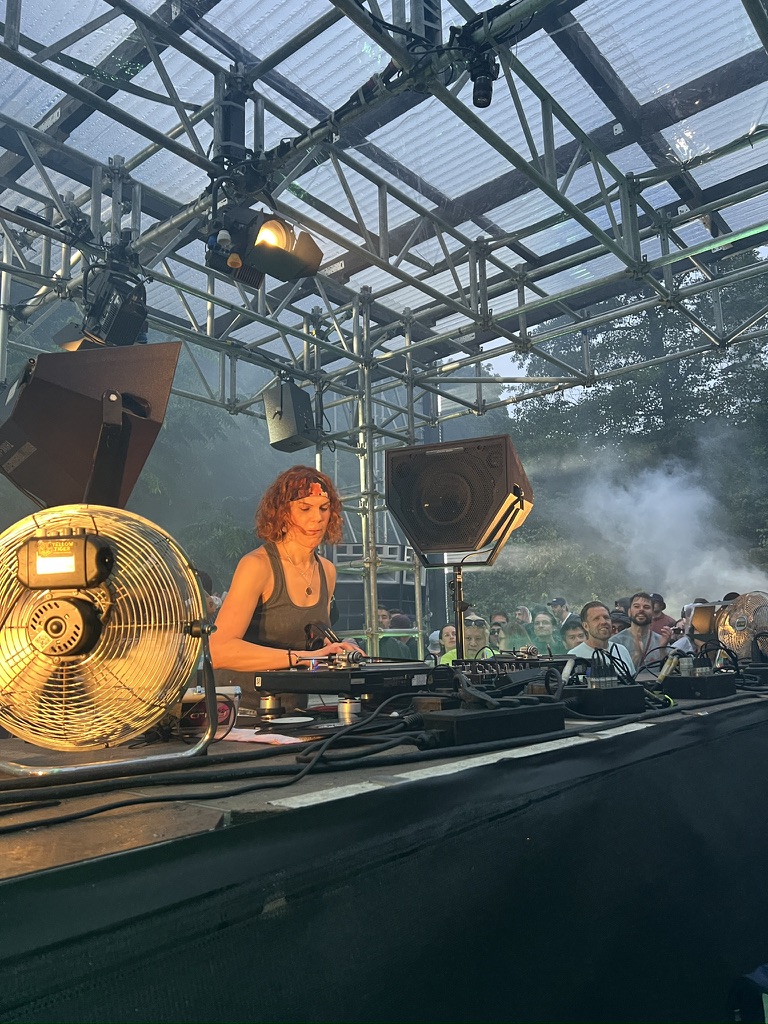
Amsterdam hosts over 300 festivals annually, making it one of Europe's densest festival hubs. The city's infrastructure and culture create an environment where music events thrive year-round, from the massive Amsterdam Dance Event (ADE) with 2,500+ artists across 140 venues every October, to intimate gatherings throughout the summer.
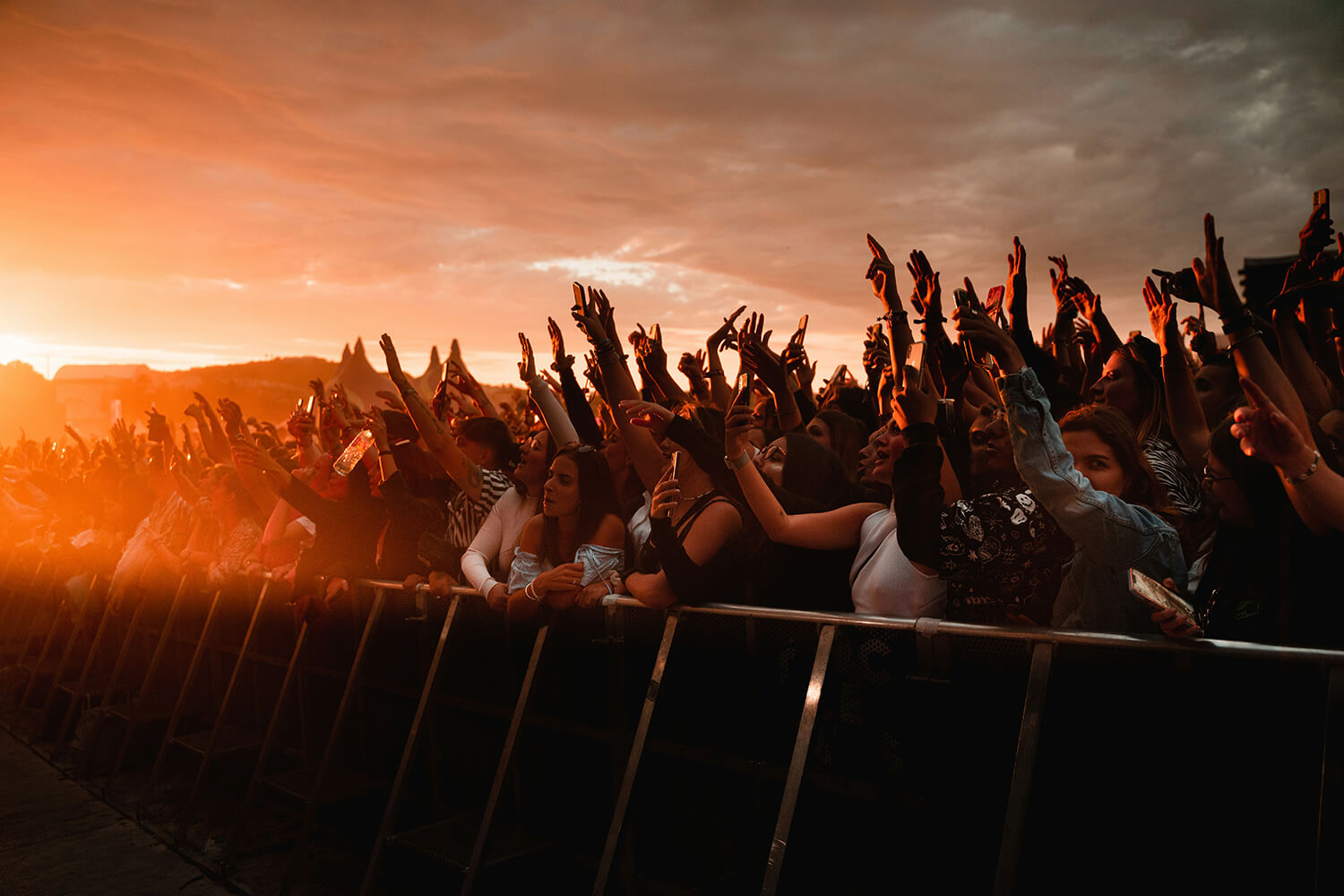
The Netherlands has produced major electronic music artists including Armin van Buuren, Martin Garrix, and Joris Voorn, creating a homegrown scene that attracts international talent. Dekmantel exemplifies this culture. The festival's 11th edition runs July 30-August 3, 2025, bringing over 150 acts to the Amsterdamse Bos—a massive city park that transforms into a multi-stage venue. Acts like Four Tet, Jeff Mills, and Honey Dijon perform alongside underground artists across house, techno, and experimental electronic genres.
What makes Amsterdam unique for festivals is how the city itself becomes part of the experience. Unlike events that isolate attendees in remote locations, festivals here integrate with urban life. Biking to and from Dekmantel—or any Amsterdam festival—captures this perfectly. With 1 million bicycles in the city and 38% of all journeys made by bike, cycling infrastructure treats bikes with more priority than cars or pedestrians. Dedicated bike lanes crisscross the entire city, making it feasible to bike 30-40 minutes to a festival site and back to your accommodation.
The city operates on multiple transportation modes simultaneously. Free ferries cross the IJ River from behind Amsterdam Centraal, transporting pedestrians and bikes to Amsterdam Noord. The GVB public transport network includes 16 tram routes, 5 metro lines, and extensive bus coverage. This multi-modal system means you can combine a ferry ride, tram connection, and bike leg into a single journey.
Between festival days, Amsterdam offers substantial cultural draw. Vondelpark, the city's largest green space, provides a retreat for walking, picnicking, or people-watching. The city's food scene reflects Dutch colonial history—particularly the presence of 350,000 Surinamese people in the Netherlands. Surinamese cuisine blends Indonesian, Indian, Chinese, and African influences, creating dishes like roti (curried chicken with flatbread), broodje pom (chicken and root vegetable sandwich), and saoto soup. Spots like Warung Spang Makandra in De Pijp and De Tokoman serve these specialties.
For shopping, De Negen Straatjes (The Nine Streets) tucked between the major canals contains vintage boutiques, independent shops, and cafés. Stores like Bij Ons Vintage and Episode offer curated secondhand clothing, while specialty shops sell everything from board games to artisanal candles.
The combination of dense festival programming, bike-friendly infrastructure, and legitimate cultural offerings makes Amsterdam function as a festival city rather than just a city with festivals. The urban environment enhances the music rather than competing with it.